The Trip
What a Guided Convoy Road Trip Through Namibia Is Actually Like
By the Herd team, Windhoek
Written from the road. Herd is Namibian owned and operated, running guided 4x4 convoys out of Windhoek, with vehicles supplied by the family hire business our people have run in this country since 2003. Everything below comes from driving these routes ourselves.

Ask someone about the most expensive holiday they have ever taken and they will describe the room. Ask them about the best one and they will describe a person, a moment, or something they did not expect.
This is worth sitting with before booking anything in Namibia, because the country offers both. There are lodges here that are among the finest in Africa, with plunge pools looking out over waterholes and service that anticipates you. They are genuinely excellent, and for some trips they are exactly right.
We built something different, and not because it was cheaper to build.
What is handled for you
The phrase usually implies a resort with a wristband. Here it means something closer to its literal sense: you arrive, and the thinking stops.
The route, accommodation and day-to-day logistics are planned before you arrive. A Namibian guide leads the convoy, and a chef cooks most nights. Fuel, the equipped automatic 4x4s, six rooftop-tent nights and four lodge nights form the spine of the trip.
That does not mean every extra is bundled into one price. Activities such as kayaking with seals, Sandwich Harbour and the Etosha night safari are optional add-ons. There is no open bar, and there is no photographer, filmmaker or videographer travelling with the group.
The days find their own shape
By the third morning nobody is checking a schedule.
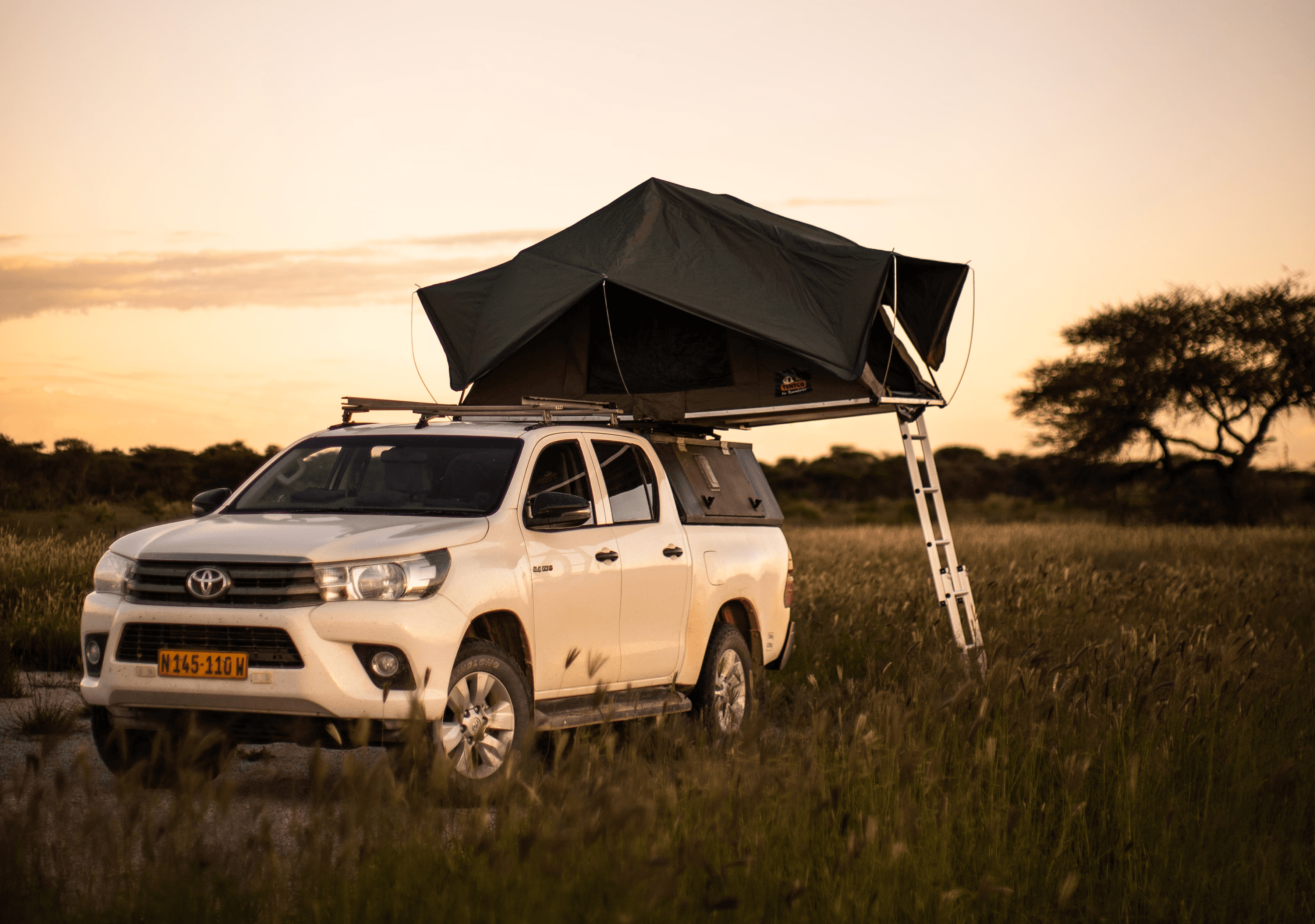
You wake early because the light does, and because a rooftop tent does not quite insulate you from the fact that the sun has come up (although it is quite dark). Coffee happens near the vehicles. Tents come down in about ten minutes once people have done it twice, and the convoy is moving before the heat arrives.
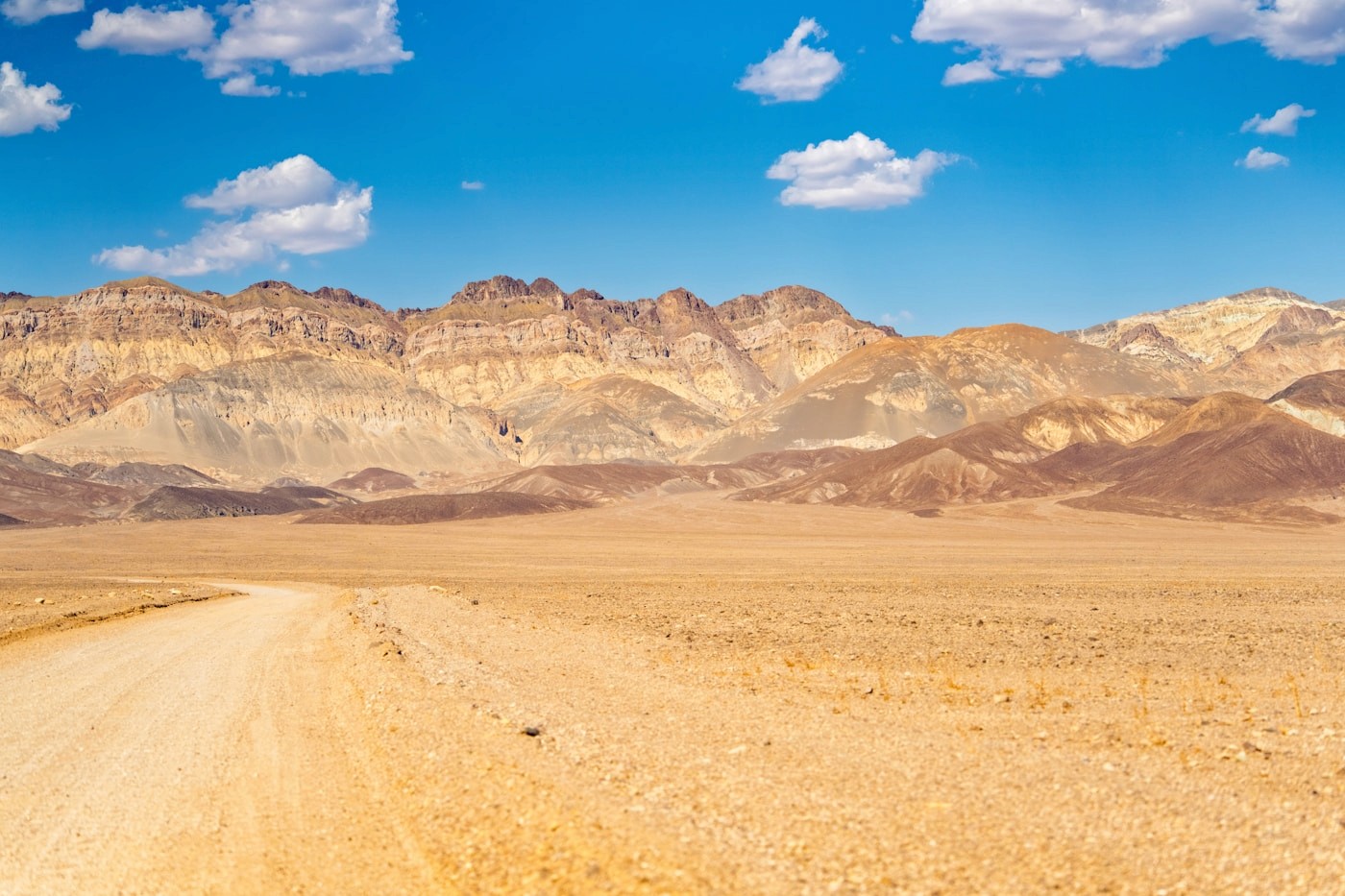
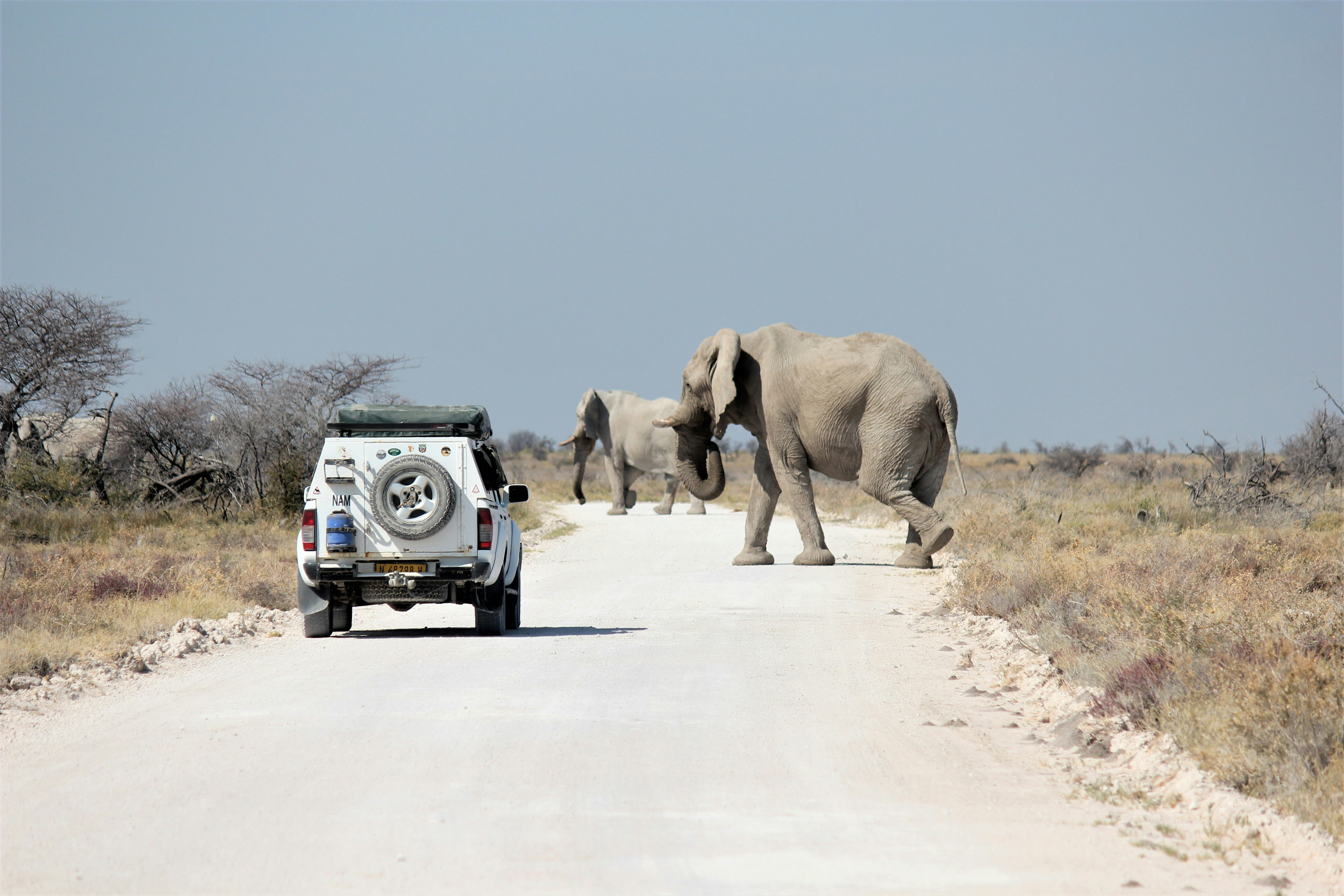
The driving is the part people underestimate. Namibia has some of the emptiest roads on earth, long gravel corridors that run straight for forty kilometres between one turn and the next, and something happens to a conversation in a vehicle where nobody can leave and there is nothing much to look at except the horizon. Radios crackle between trucks. Someone spots something and the whole convoy pulls over.
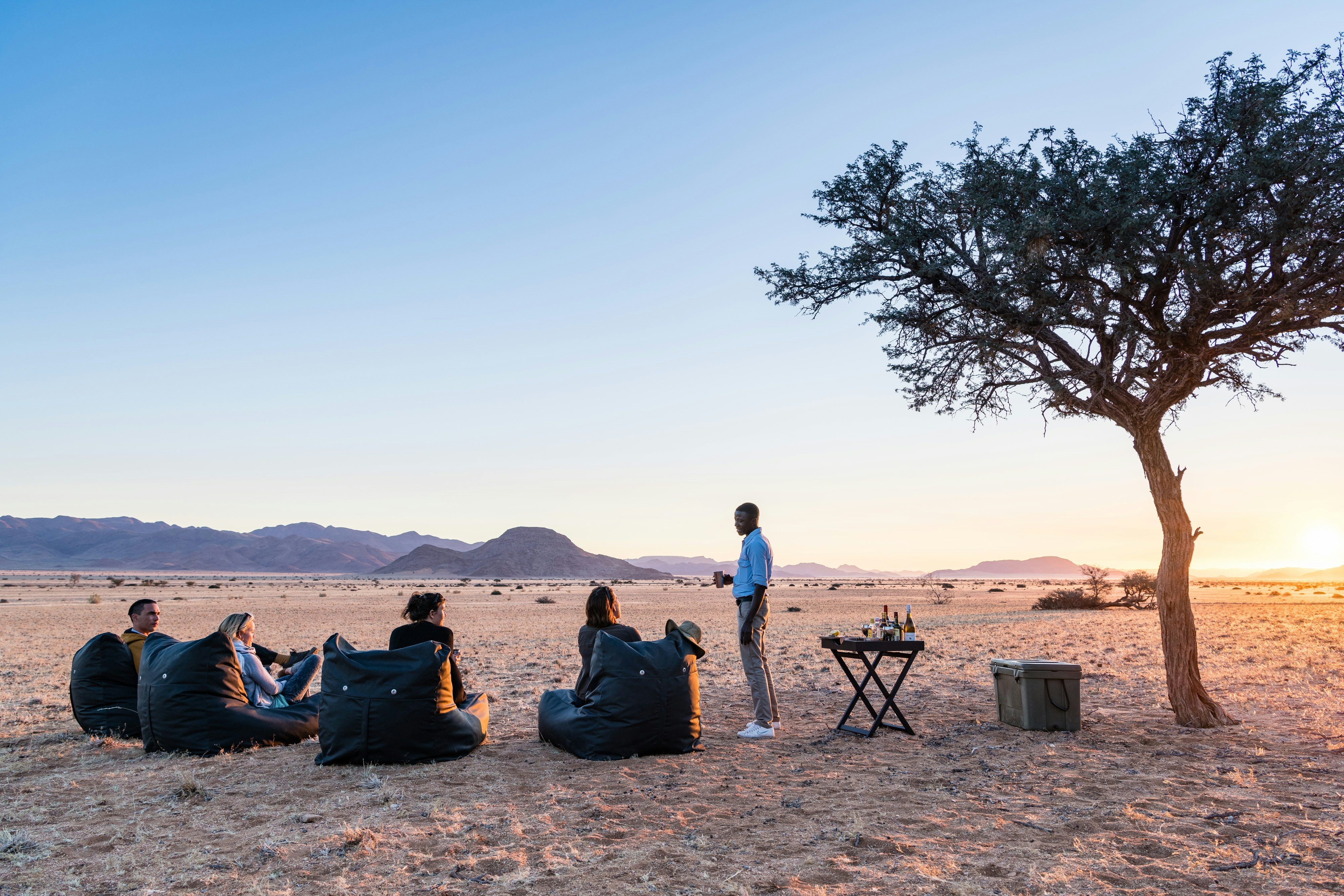
Camp goes up in the late afternoon, and this is the part that surprises people most. You put it up yourselves, together, and it takes twenty minutes of mild chaos on day one and considerably less by day four. Then the fire. Then food that is better than anything you expected to eat in a place with no electricity. Then the sky, which in the Namib does something that photographs do not capture and that most people have simply never seen because they have always lived somewhere with streetlights.
Why the trip mixes camping and lodges
Six nights are spent in rooftop tents because camping is part of the place: inside Etosha near the floodlit waterhole, among the granite at Spitzkoppe, inside the Sesriem gate for Sossusvlei at first light, and on the family farm.
Four lodge or guesthouse nights are placed where a bed and a proper reset improve the route: arrival in Windhoek, Twyfelfontein, Swakopmund and the night after the desert. The trip is not camping-only, and it is not a lodge tour with brief outdoor stops. It uses each where it earns its place.
There is also a simpler version of the argument. In a lodge, you are inside looking out. The wildlife is a view. In a rooftop tent at Spitzkoppe, with seven hundred million year old granite around you and no light for fifty kilometres in any direction, you are in it. When something moves outside at two in the morning, you hear it properly. That is either the appeal or the reason to book a lodge, and it is worth being honest with yourself about which.
The sixteen guests
This is the part that is hardest to explain to someone who has not done it.
Sixteen guests, many arriving alone, share four automatic 4x4s. A fifth vehicle carries the guide and support crew.
We have thought about why this works, and the honest answer is that it is mostly structural. There are no phones for large parts of the day because there is no signal. There is nothing else to do in a vehicle for four hours except talk. Everyone is slightly out of their depth in the same way at the same time, which is a faster route to knowing someone than almost anything else.
What you actually come home with
Sand in things, for months.
A group chat that stays active longer than you expect, and a very specific memory of standing on a dune before sunrise at Sossusvlei while the light moved across the sand.
And a slightly recalibrated sense of what a trip needs to include in order to be good. The cost is lower than a comparable lodge itinerary, which says something about what the money is buying in the first place.
Who this is not for
We would rather say this plainly and upfront.
If you want a private bathroom and lodge room every night, this is not it: six nights are in rooftop tents. If four hours on gravel sounds like an ordeal rather than a day, this is not it. If the idea of sharing trucks and eleven days with fifteen people you have not met sounds draining rather than interesting, a private trip will suit you better.
If any of that reads as a feature rather than a warning, you are the person we built this for.
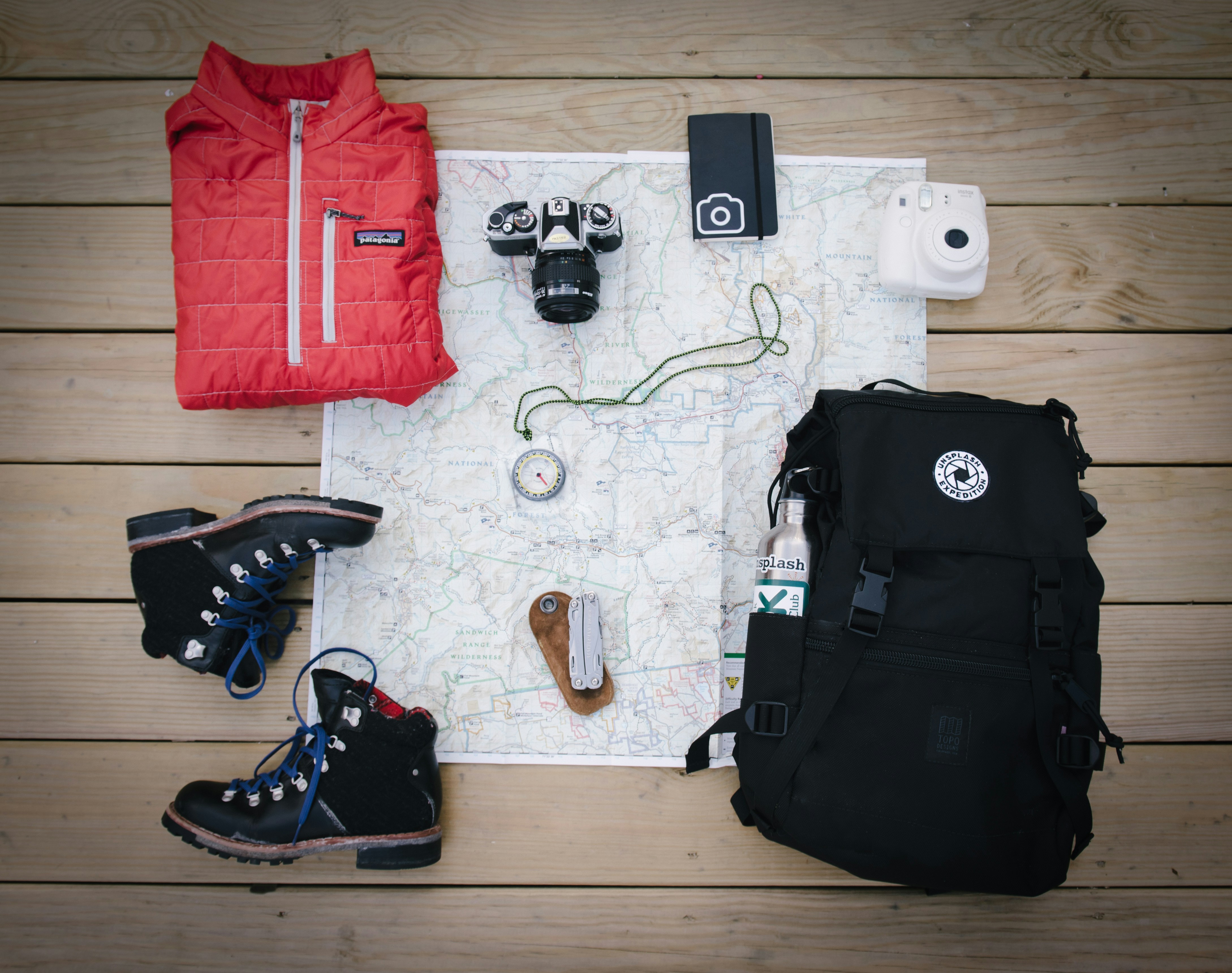
The full route, night by night, is in the itinerary. What to bring is in the packing list, and if you are still deciding when to come, the seasons guide covers it. Everything else is in the FAQ.
Common Questions
What is included on a Herd convoy?
The €3,700 trip price covers the equipped automatic 4x4s, fuel, the guide vehicle and on-route support, a Namibian guide, a chef cooking most nights, six camping nights, four lodge or guesthouse nights, and the core trip logistics. Optional activities such as kayaking with seals, Sandwich Harbour and the Etosha night safari are separate. Flights, visas and personal spending are also separate. Check the live itinerary and FAQ before publishing any longer inclusion list.
Is a camping safari better than a lodge safari?
Neither is better in the abstract. Herd mixes six rooftop-tent nights with four lodge or guesthouse nights: camping where being in the landscape is the point, and a bed where comfort improves the pace of the route.
Is Namibia good for solo travellers?
Very. It is one of the safest countries in southern Africa, and on a convoy trip the practical difficulties of travelling alone, navigation, breakdowns, eating alone every night, mostly disappear. Most people on a Herd convoy book solo or in pairs.
Do I need 4x4 experience to join a convoy trip?
No. You need a licence held for at least two years and to be at least 20 years old. Your guide briefs the whole group on gravel driving on day one, and nobody drives out of radio contact or after dark. Not everyone in a truck has to drive at all.
How many days do you need for a Namibia road trip?
Ten to fourteen covers the classic northern loop at a reasonable pace, taking in Etosha, Damaraland, Spitzkoppe, the coast and Sossusvlei. Fewer than seven means choosing between the wildlife in the north and the dunes in the south.
This Might Also Interest You


MEET THE TEAM

Sophie

Jonah

Maya
© 2026 Herd Namibia · Windhoek, Namibia.
