Tips & Tricks
The Best Places to Camp in Namibia
By the Herd Team, Windhoek
Written from the road. Herd is Namibian owned and operated, running guided 4x4 convoys out of Windhoek, with vehicles supplied by the family hire business our people have run in this country since 2003. Everything below comes from driving these routes ourselves.

Namibia is one of the few countries where camping is not the economical choice. It is the better one.
The reason is partly ecological and partly a matter of governance. Namibia was the first country in Africa to write environmental protection into its constitution, and the communal conservancy system that followed has placed a large portion of the country under the management of the people who live on it. The practical result is a great deal of protected, sparsely developed land, and campsites built into it with a light touch rather than lodges built on top of it.
The other reason is the sky. There is very little artificial light across most of Namibia, and the air over the desert is exceptionally dry and clear. The region south of Sossusvlei holds Africa’s first International Dark Sky Reserve. Sleeping under a roof here means missing the thing the country does better than almost anywhere on earth.
What follows is a north-to-south guide to the campsites worth knowing. Some are on Herd’s current route; others are useful if you are building an independent trip.
What makes a good campsite in Namibia
One distinction is worth understanding before booking anything.
At the ordinary end, a Namibian campsite gives you a pitch, a braai stand and a shared ablution block somewhere across the site. At the better end, each pitch has its own bathroom attached: hot water, a shower, a basin, sometimes power, entirely private, often screened by rock or thorn so that you cannot see your neighbours at all.
That single feature is what separates a functional night from a genuinely comfortable one, and it is the marker worth looking for. The sites below that offer it are noted.
Waterberg
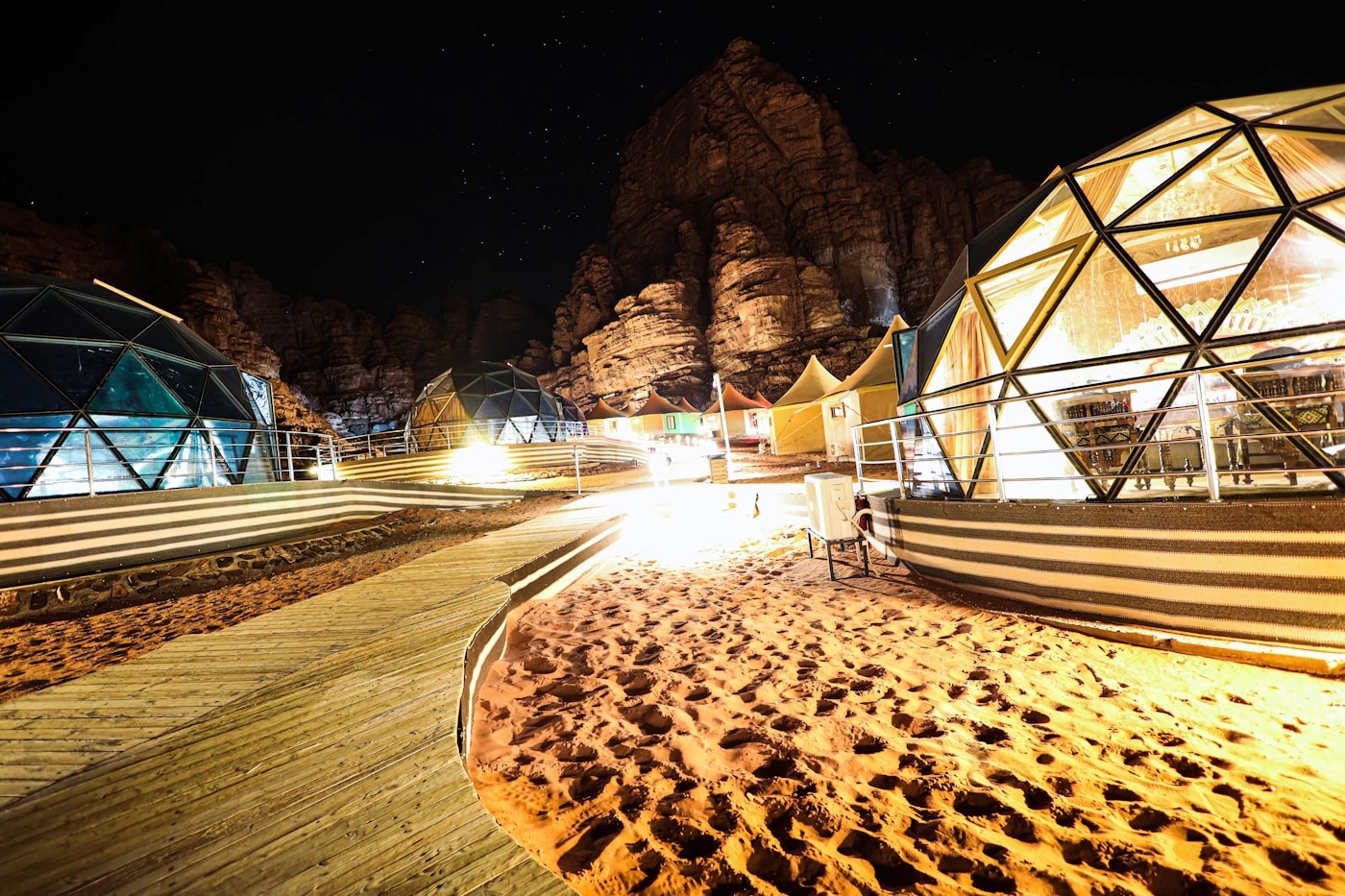
The Waterberg Plateau rises about two hundred metres out of the surrounding savanna, a long table of red Etjo sandstone that catches the last of the light and holds it after the plain below has gone dark.
The plateau top is a separate world from the ground around it. Its isolation and its water made it suitable for reintroducing species that had been lost from much of the country, and rhino, sable and roan antelope were brought back onto it. Most of the plateau is not accessible by vehicle, which is part of why it works.
Camping sits at the foot of the cliffs among tall trees, with baboons overhead and hiking trails leading up into the sandstone. The better sites here have private ablutions at each pitch. For most travellers this is the first night out of Windhoek, and it is a gentle way to begin.
Etosha
There is one reason to camp inside Etosha rather than outside its gates, and it is worth the effort of booking early.
The camps inside the park sit on permanent waterholes, and several are floodlit after dark. At Okaukuejo the light comes on at dusk and stays on, and the waterhole becomes a stage. Black rhino come in through the night, often several at a time. Elephant arrive and drink for an hour. Lion pass through. You watch from a low wall a short walk from your tent, at eleven at night, in silence, with a coffee.
You are also inside the gates when they open. Animals move at first light and again in the last hour before dark, and guests staying outside the park lose both windows to the drive in and out.
The camping itself is not luxurious. The waterhole is the reason.

Damaraland and the Kunene
This is the emptiest country on the route and, for many people, the most memorable.
The landscape is broken granite and open valley, and it supports desert-adapted elephant and black rhino that range across enormous distances to find water. The conservancies here are community-run, which means the camps are usually owned and staffed by the people whose land it is, and the money stays in the area.
The best campsites in this region are built into the rock rather than cleared out of it. Pitches sit between granite boulders, each one out of sight of the next, with its own bathroom tucked into the stone and a fire pit facing west. There is no light for a very long way in any direction. It is the sort of place people describe afterwards as the best campsite they have ever stayed at, and they tend to mean it literally. Herd currently uses a lodge night at Twyfelfontein rather than camping here, but the region’s community camps remain excellent for independent itineraries.

Spitzkoppe
A granite inselberg roughly seven hundred million years old, rising abruptly out of flat gravel plains with nothing around it to explain its presence.
The campsite here is community-run and deliberately unserviced. There are no fixed pitches. You drive in, choose a spot among the rocks, and stop. Some sites sit under the Arch, some face west into open desert, some tuck into a cleft where the granite blocks the wind. Facilities are basic by design.
What you get instead is total darkness, complete quiet, and San rock paintings within walking distance of where you sleep, some of the oldest surviving human art anywhere. The night sky at Spitzkoppe is the one people photograph.
This is the campsite that trades comfort for atmosphere. It is worth the trade once.
The coast at Walvis Bay: useful for independent campers
The coast is a different climate and a different kind of night. Cold fog rolls in off the Benguela current and sits over the town until mid-morning, and the temperature drops twenty degrees from what the interior was doing three hours earlier.
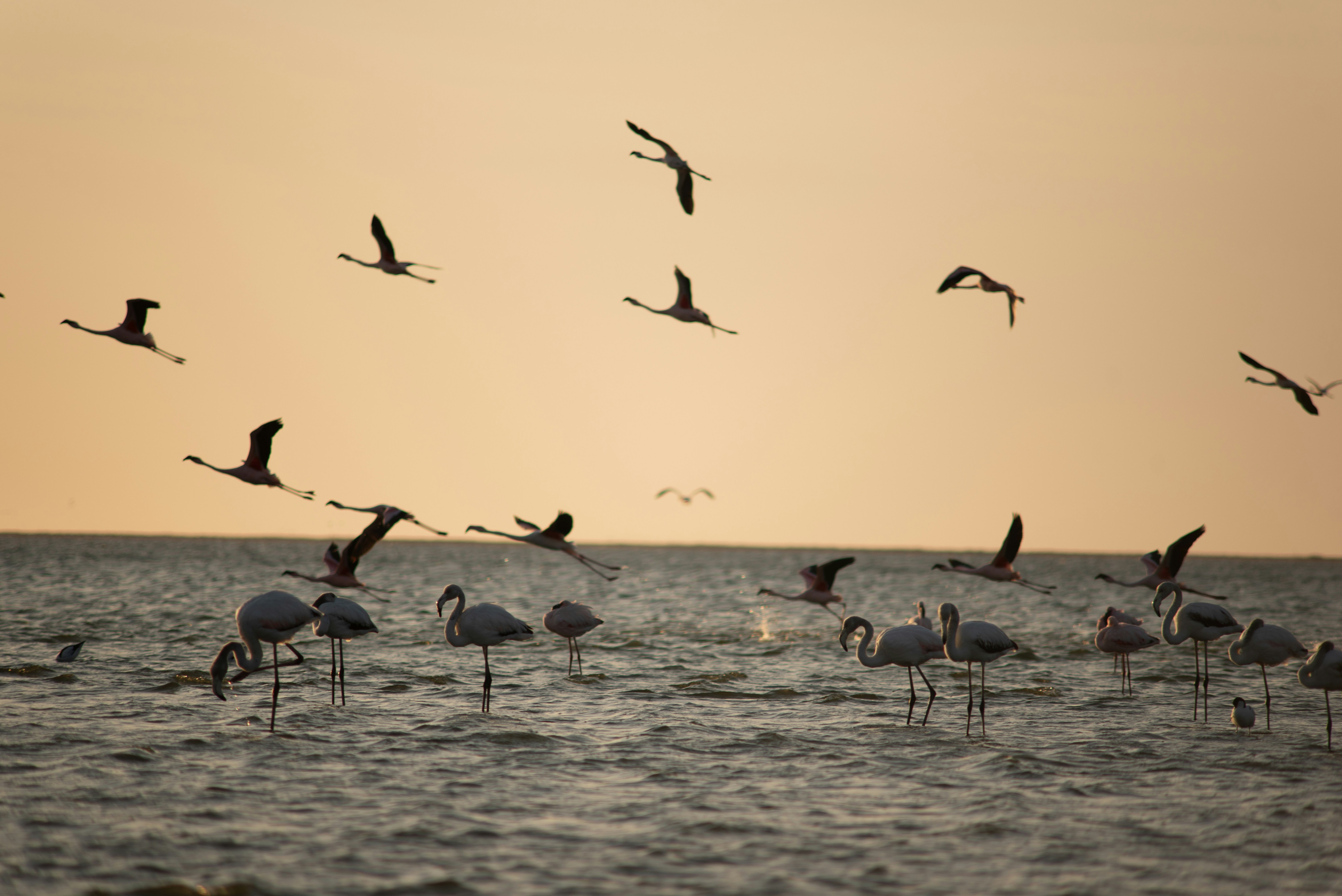
Camping options along this stretch are limited, because Walvis Bay is a working port town rather than a wilderness area. What it has instead is the lagoon, a wetland of international importance under the Ramsar convention, holding tens of thousands of lesser and greater flamingo, pelican and migratory waders. Camping beside it puts you within sight of them at first light.
It is also the practical base for the drive across the dunes to Sandwich Harbour, where the desert falls directly into the Atlantic. Herd currently uses a lodge night in Swakopmund; kayaking with seals and Sandwich Harbour are optional add-ons from the coast, not camping inclusions.
Sesriem and Sossusvlei
The single most consequential camping decision in Namibia is whether you sleep inside the Sesriem gate or outside it.
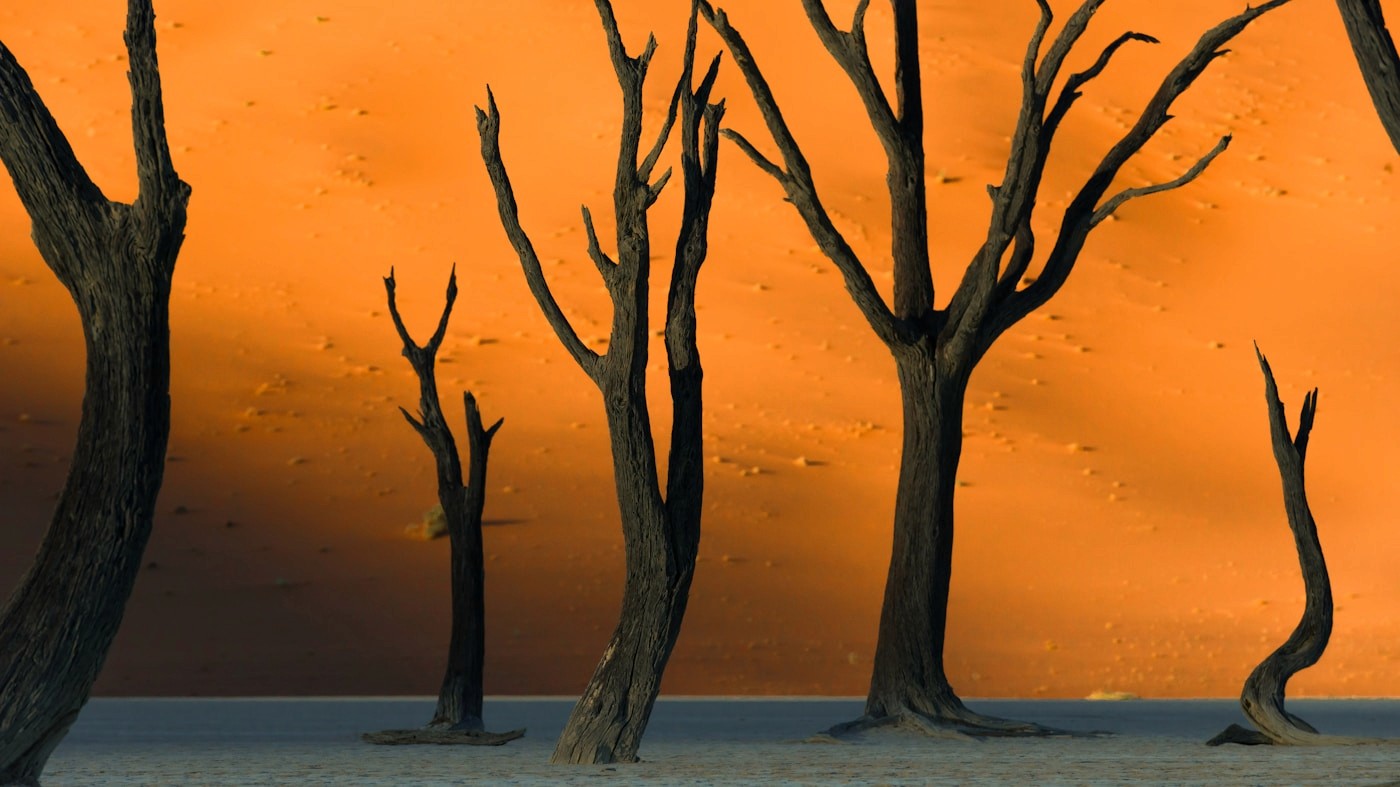
The dunes at Sossusvlei are an hour’s drive beyond the gate, and the gate opens to inside guests before it opens to everyone else. That head start is the difference between climbing a dune with the sun already up and being on it while the light is still moving across the sand, with the shadows sharp and the crowds an hour behind you. Deadvlei, the white clay pan with its stand of camelthorn skeletons that died some six centuries ago when the river shifted and the dunes closed in, is best in exactly that window.
The premium camping inside the reserve gives each pitch its own private ablution with hot water and power, which is more comfort than the location strictly requires and welcome after several nights of the alternative.
Nights here are cold in winter and the wind picks up in the afternoon. Neither matters much once you have seen the light at five in the morning.
Solitaire
Barely a settlement. A petrol pump, a bakery with a reputation for apple pie that has outgrown the building it is made in, and a collection of rusting cars slowly returning to the desert.
Barely a settlement: a petrol pump, a bakery with a reputation for apple pie that has outgrown the building, and rusting cars slowly returning to the desert. Solitaire is a route stop on Herd’s current trip, not an overnight. Independent travellers can camp here, but on the 11-day Herd route the convoy continues onward.
A note on booking
The best campsites in Namibia are small, and the ones inside the national parks are limited by the number of pitches that physically exist. In the dry season these fill six to twelve months ahead. This is not an operator’s pressure tactic. There are a fixed number of sites inside the Sesriem gate, and when they are taken, they are taken.
On a guided convoy the campsites are booked as part of the trip, which removes the problem. Travelling independently, book the park sites first and build the rest of the route around them.
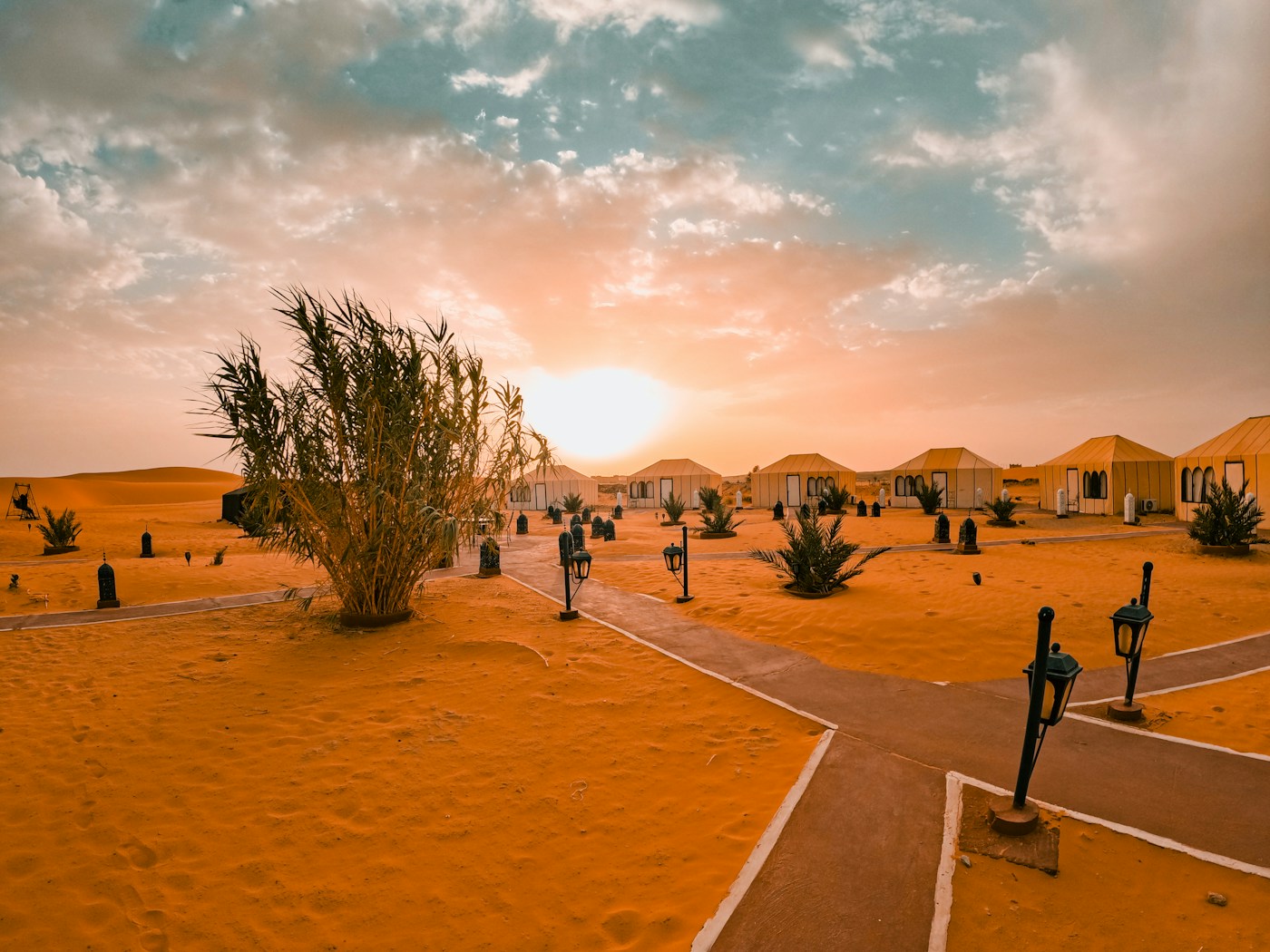
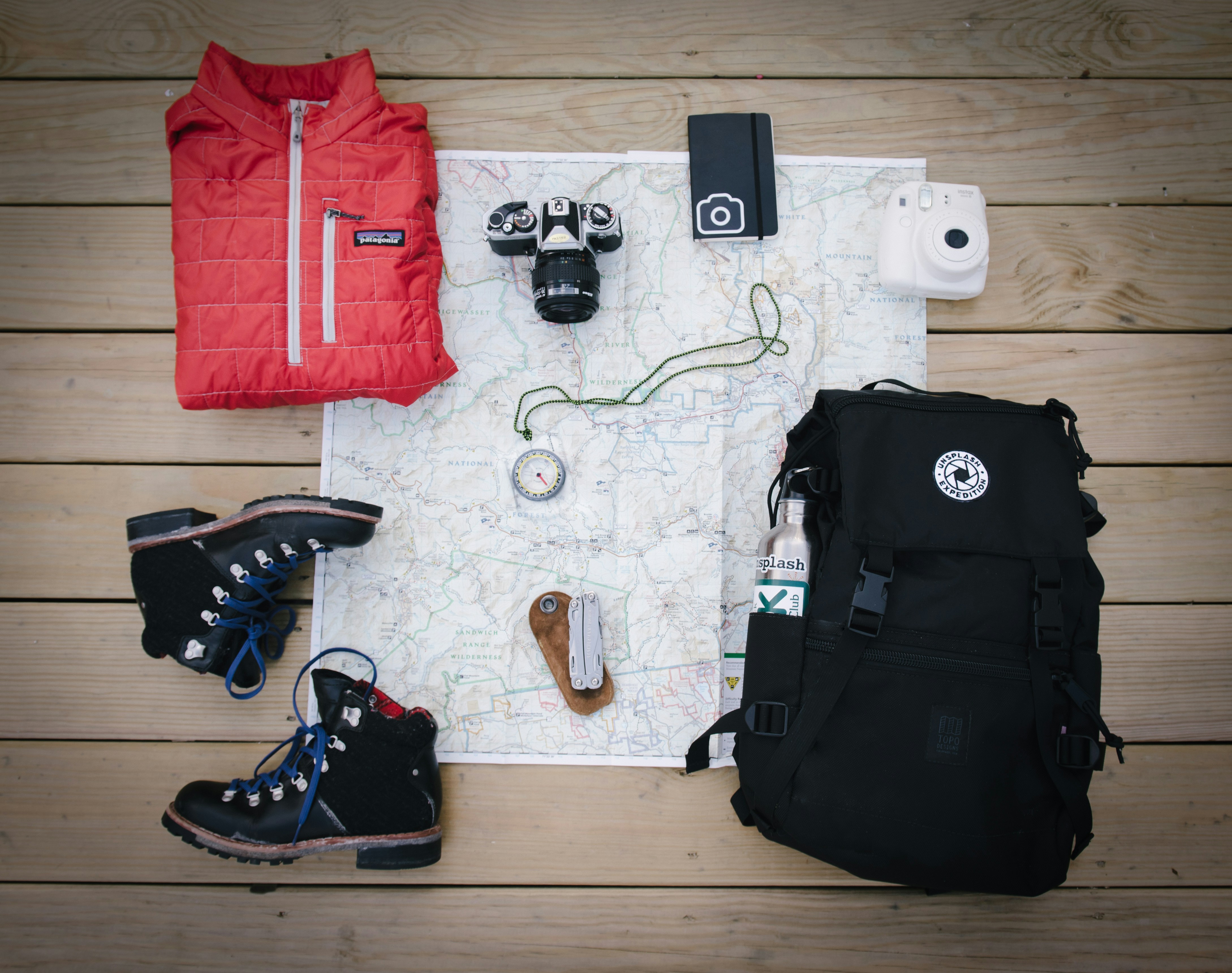
Our current itinerary shows exactly which six nights are in rooftop tents and which four are in lodges or guesthouses. What to bring for camping in this country is covered in the packing list.
Common Questions
Is it safe to camp in Namibia?
Namibia is one of the safest countries in southern Africa for camping. Established campsites are well managed, crime against travellers is uncommon, and the main risks are practical rather than criminal: gravel road driving, dehydration, and keeping a respectful distance from wildlife.
Do Namibian campsites have bathrooms?
Most have shared ablution blocks. The better sites give each pitch its own private bathroom with hot water, sometimes power, screened from neighbouring pitches. That distinction is the main marker of quality when choosing where to stay.
Where is the best place to camp in Namibia?
For atmosphere, the community campsite at Spitzkoppe, where you choose your own spot among the granite with no fixed pitches. For wildlife, the camps inside Etosha with floodlit waterholes. For access, the sites inside the Sesriem gate, which open to the Sossusvlei dunes an hour before everyone else.
How far in advance should I book campsites in Namibia?
Six to twelve months for dry season dates, particularly for sites inside the national parks, where the number of pitches is physically fixed and they sell out.
Can you camp anywhere in Namibia?
No. Wild camping outside designated sites is not permitted in national parks and generally requires landowner or conservancy permission elsewhere. Use established campsites.
This Might Also Interest You


MEET THE TEAM

Sophie
Jonah

Maya
© 2026 Herd Namibia · Windhoek, Namibia.
