Tips & Tricks
What to Pack for a Namibia Road Trip
By the Herd Team, Windhoek
Written from the road. Herd is Namibian owned and operated, running guided 4x4 convoys out of Windhoek, with vehicles supplied by the family hire business our people have run in this country since 2003. Everything below comes from driving these routes ourselves.
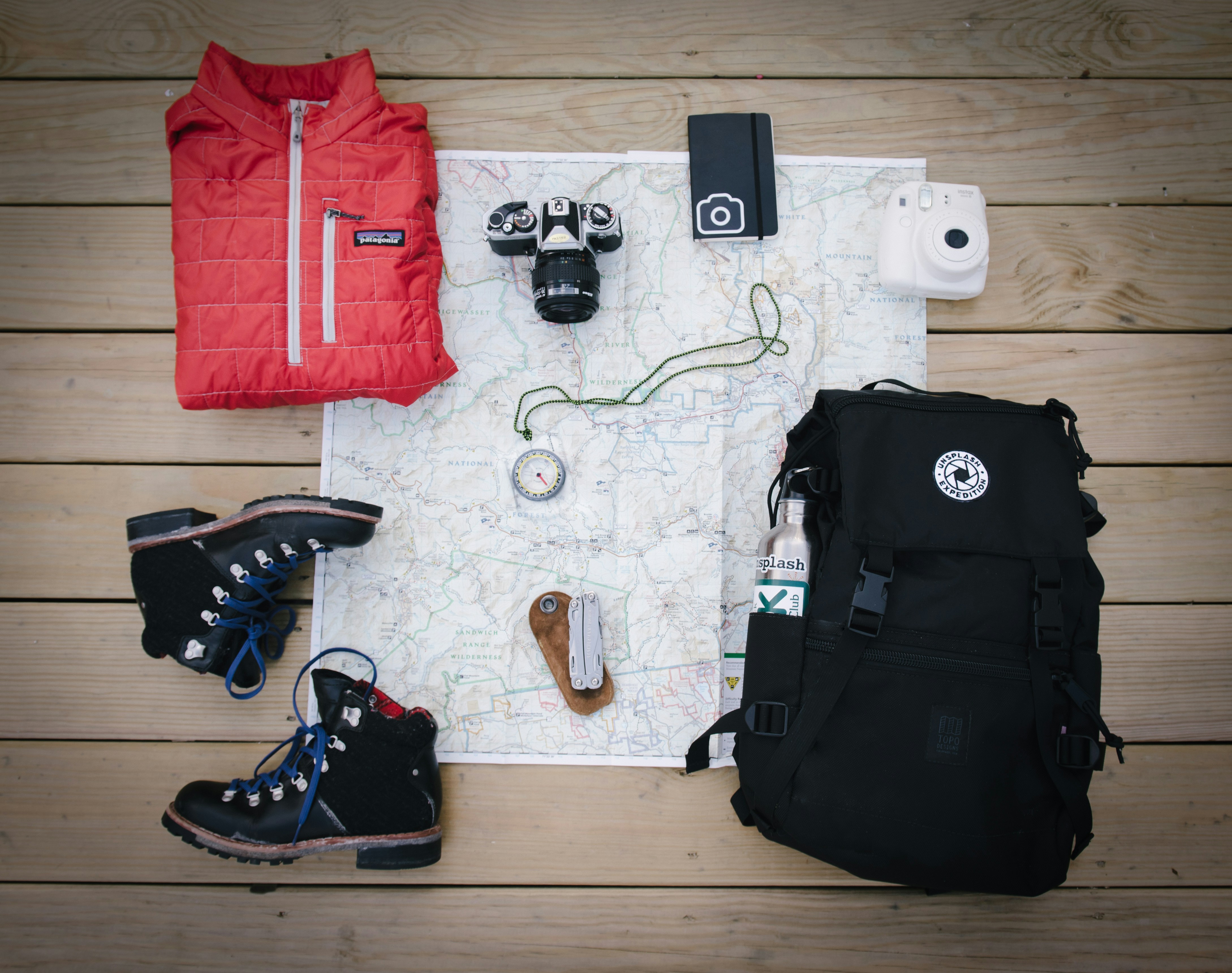
Most packing lists for Africa are written as though the continent has one temperature. Namibia does not, and it does not even manage one temperature within a single day.
A morning at Sossusvlei in July can begin close to freezing and reach the mid-twenties by lunch. The coast at Walvis Bay sits under cold fog while, three hours inland, the desert is at thirty-five and glaring. You will be outdoors for almost all of it, and you will be sharing a vehicle, which puts a natural limit on what you can reasonably bring.
What follows is an account of what actually earns its place, and why.
What is already in the truck
Before packing anything, it is worth knowing what you do not need to.
Each automatic 4x4 arrives equipped for the six camping nights. The rooftop tents, bedding, camp chairs and table, cooking equipment, fridge and water are part of the trip. You do not need to bring a sleeping bag, pillow, mat or linen. The other four nights are in lodges or guesthouses, so pack for a mixed camping-and-lodge route rather than a camping-only trip.
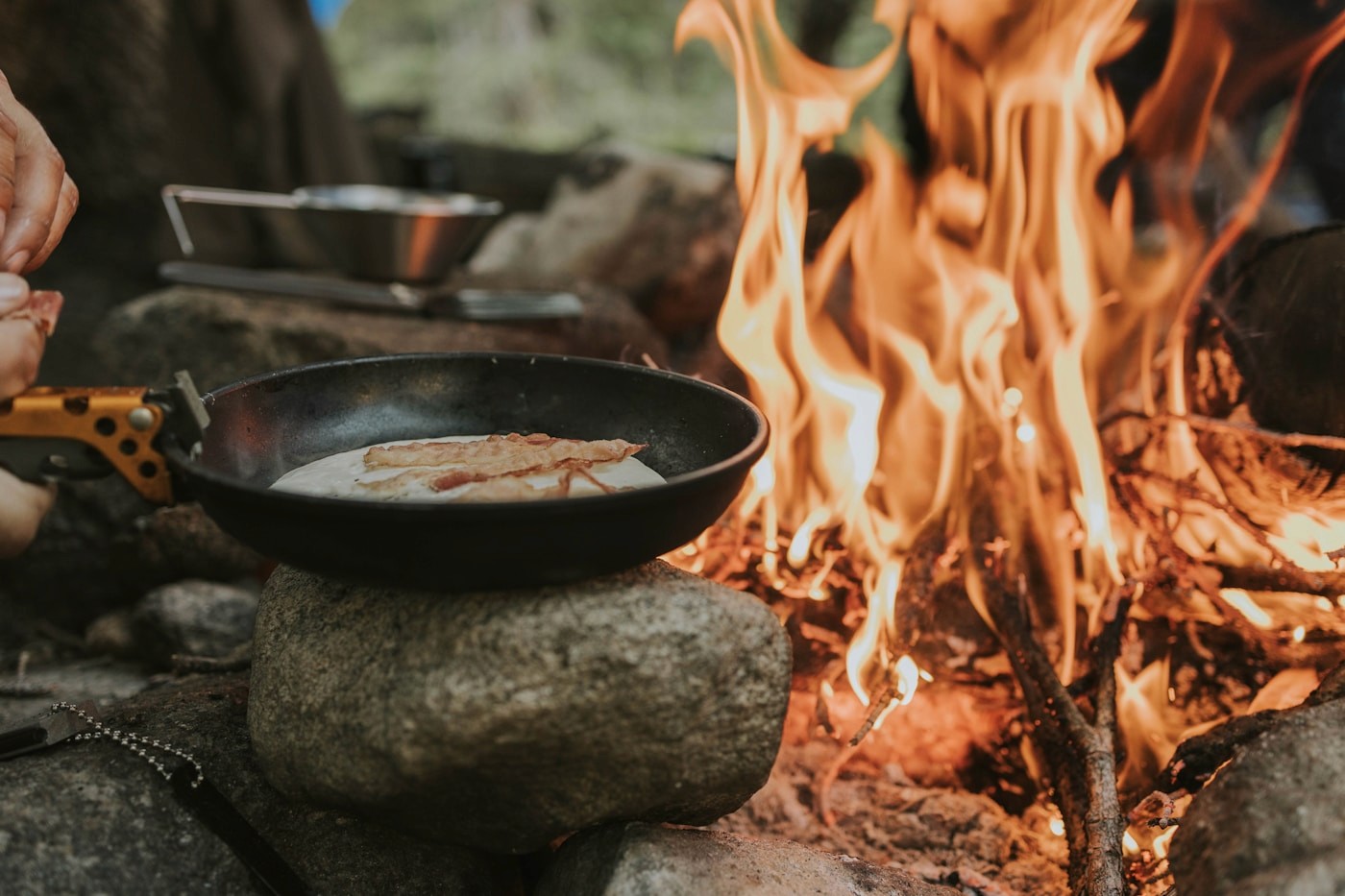
You also do not need to plan meals. A chef travels with the convoy and cooks most evenings over the fire, which removes the entire category of provisioning that dominates a self-organised trip through this country.
Pack for the swing, not the season
The single most useful principle for Namibia is layering, and the reason is physical rather than stylistic.
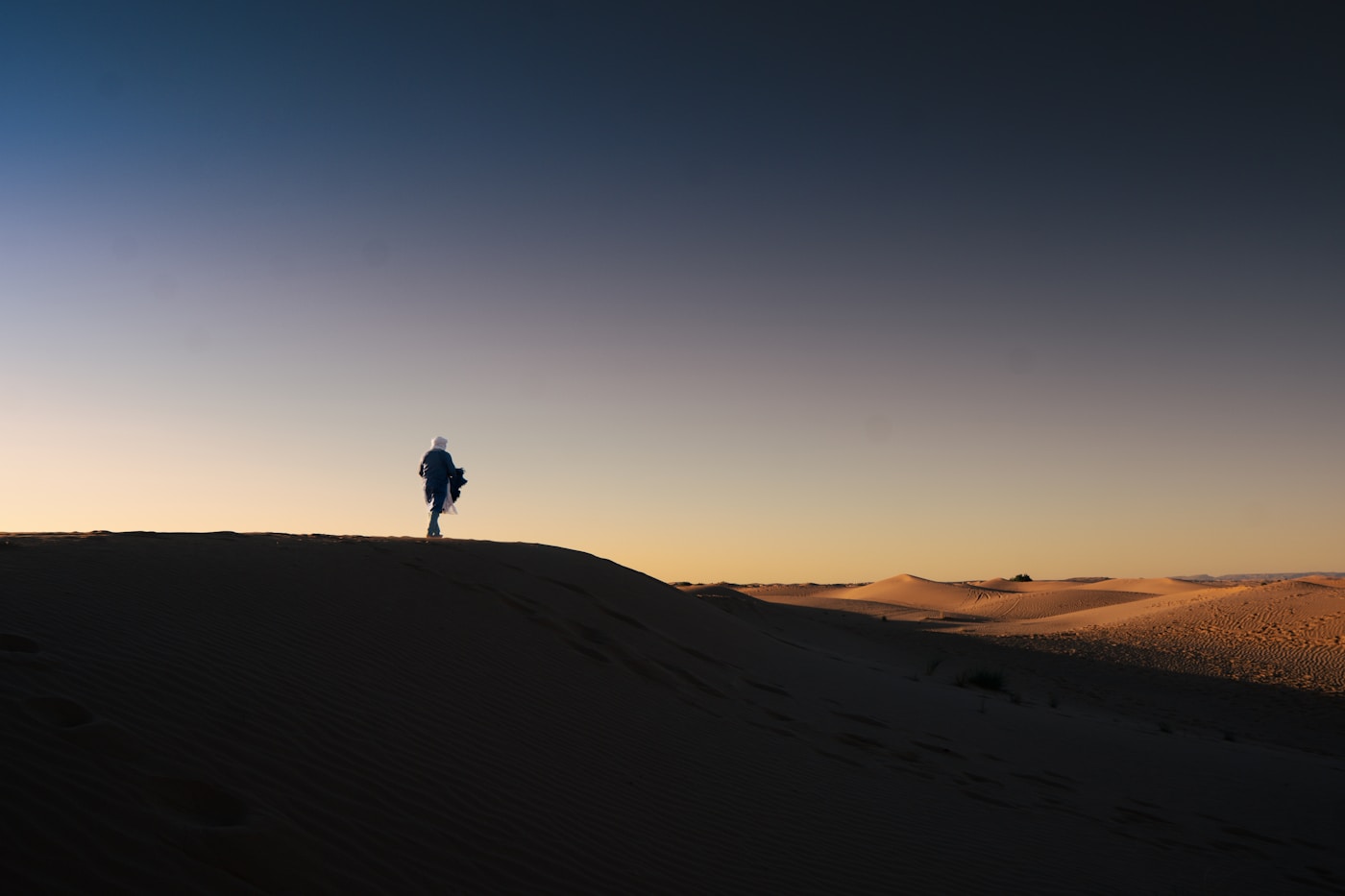
Deserts lose heat quickly after sunset. There is almost no humidity in the air and usually no cloud cover, so the warmth of the day radiates away into a clear sky within an hour or two of dark. The same landscape that had you in a shirt at four in the afternoon will have you reaching for a jacket by seven.
In practice this means:
A genuinely warm layer. A fleece or down jacket, not a light sweater. Winter nights in the desert fall close to zero, and campers who packed only for the daytime tend to spend those hours awake and cold.
Long, light clothing. Cotton or linen shirts with long sleeves handle sun during the day and mosquitoes at dusk better than anything short-sleeved. Neutral colours are practical for wildlife viewing and forgiving with dust.
Something for the coast. Swakopmund and Walvis Bay run cool and damp for most of the year. A windproof outer layer is worth its space for those two days alone.
Closed walking shoes and something open. The walking at Spitzkoppe, Waterberg and Sesriem calls for proper shoes. Everything else calls for sandals.
A hat with a brim and real sunglasses. The light here is unusually strong, and the reflection off pale sand doubles it.
Dust is the other climate
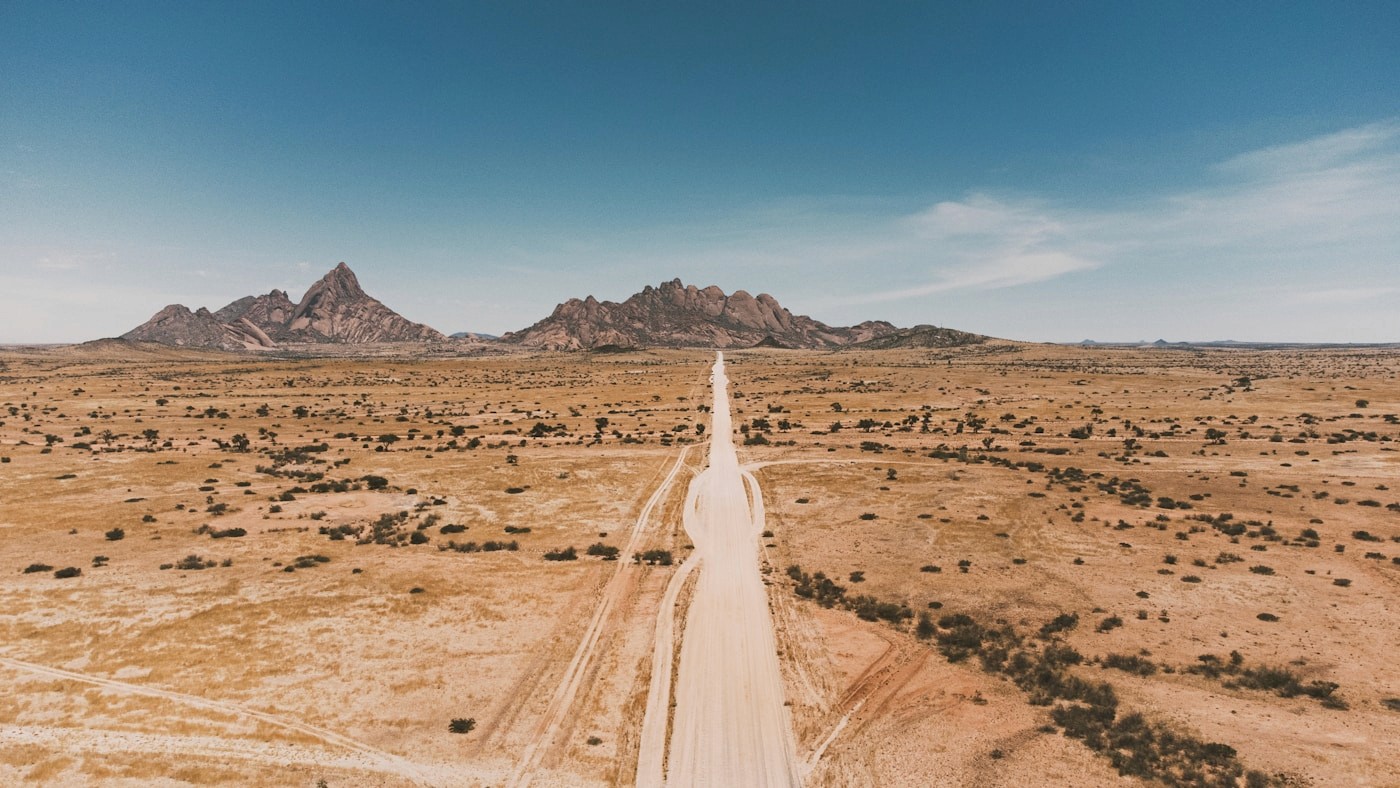
Namibia’s road network is mostly gravel, and gravel means fine red dust that finds every opening in a bag, a camera housing and a laptop.
Nothing you do will prevent this entirely. A few things reduce it. Dry bags or packing cubes keep clothing separate from what has already been exposed. A microfibre cloth and a blower brush earn their space if you are carrying a camera. A buff or light scarf is useful on the windier days at the coast and around Spitzkoppe.
Soft bags travel better than hard suitcases in a shared vehicle. They compress into the spaces available, which rigid cases do not. Pack one soft bag per person plus a small backpack or day bag for the cab. Four people and four rigid suitcases in one truck is a problem you only have to solve once before you understand the advice.
What is worth bringing that people forget
A headlamp. Camps are dark, and a torch you have to hold occupies a hand you will want for something else.
A power bank. The vehicles carry charging, but the convoy spends long days away from mains power and a phone used for photographs empties quickly.
A refillable water bottle. Drinking water is provided. Carrying your own vessel for it is simply easier.
Personal medication, plus a small kit of your own. Each truck carries a first aid kit. It will not have your prescriptions in it.
Sunscreen at a higher factor than you think. Reapplied more often than you think.
A book. There are long stretches of road, and there are evenings that stretch out after dinner. A printed roadbook covering the route is issued to every guest, so the reading you bring can be entirely for pleasure.
What to leave at home
Formal clothing has no use on this route. Neither does a hairdryer, a heavy tripod unless photography is the reason you came, or the fourth pair of shoes.
Most of all, leave the assumption that you need to be self-sufficient. Guests arriving from a self-drive background often over-prepare, bringing cooking equipment, food supplies and recovery gear that duplicate what the convoy already carries. The vehicles are provisioned. The guide handles the route and the road. The chef handles dinner.
A short list, once everything above is accounted for
Clothing for warm days and cold nights, in layers. Closed shoes and open ones. Sun protection. A warm jacket. A windproof layer for the coast. Headlamp, power bank, water bottle, personal medication, sunscreen, insect repellent containing DEET.
Documents in one place: passport, visa approval, driving licence and any translation, insurance details. Our pre-departure guide covers what each of those requires and when to arrange it.
Then very little else. Namibia rewards travelling light more than most places, partly because the vehicle is shared and partly because the country does not ask much of you once you are in it.
What is included on a Herd convoy, and what is not, is set out in full in our FAQ.
Common Questions
What clothes should I bring to Namibia?
Layers. Long, light, neutral-coloured clothing for daytime sun and evening insects, a genuinely warm jacket for desert nights that fall close to freezing in winter, a windproof layer for the cold Atlantic coast, closed walking shoes and something open for camp.
Do I need to bring camping equipment to Namibia?
Not on a fully equipped trip. On a Herd convoy the rooftop tent, all bedding, camp furniture, cooking equipment, fridge and water are provided, and a chef travels with the group, so there is no need to carry sleeping bags, linen or cooking gear.
How much luggage can I bring on a 4x4 trip?
Pack one soft bag per person plus a small backpack or day bag for the cab. Soft bags compress into a shared 4x4 far better than hard suitcases.
What do most people forget to pack for Namibia?
A headlamp, a power bank, a high-factor sunscreen and a warm enough jacket for the night. The temperature swing between afternoon and dawn in the Namib surprises almost everyone.
This Might Also Interest You


MEET THE TEAM

Sophie

Jonah

Maya
© 2026 Herd Namibia · Windhoek, Namibia.
